
ME/CFS and Post-Exertional Malaise Care in Needham, MA
If you have ME/CFS, you know the pattern: you do a little more than your body can handle, and a day or two later you crash. That delayed crash, post-exertional malaise (PEM), is what makes ordinary advice to "stay active" so risky.
Our approach starts from that reality. We measure how your body responds while you work, including your breathing, CO2 and blood flow to your brain, and we stop well before the point that sets off a crash. The aim is steady, gentle practice your body can tolerate, done alongside your physicians' care.
Why CO2 is the number we watch
With ME/CFS, the crash usually comes a day or two after you overdo it. That delay makes it hard to know, in the moment, when you've done too much. Many patients feel fine during a session and pay for it later.
So we don't rely on how you feel alone. We watch measurements that change in real time, often before you notice anything:
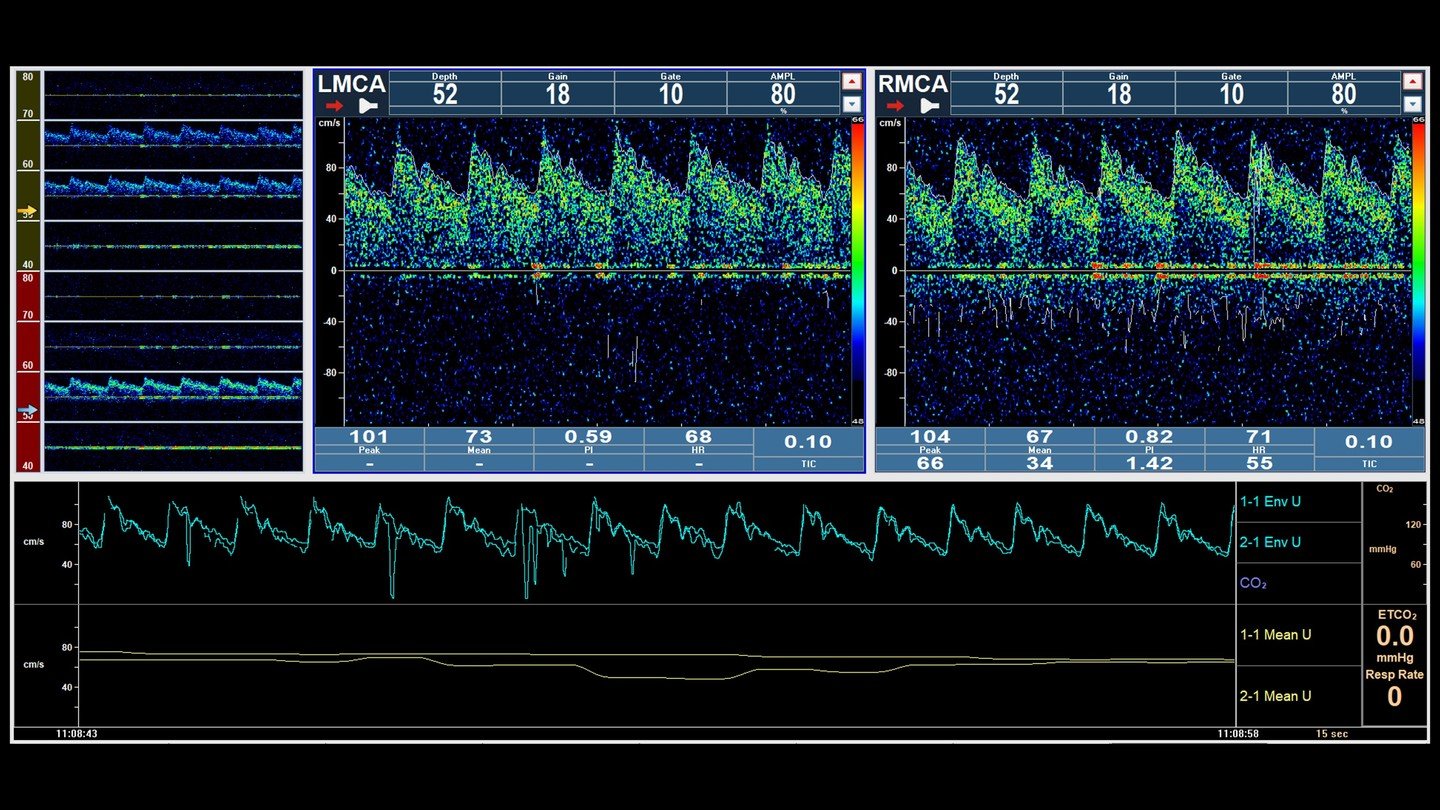
End-tidal CO2, the carbon dioxide in each breath out. When effort starts to outpace what your body can handle, breathing tends to speed up and get shallower, and CO2 falls.
Blood flow to the brain, measured with transcranial Doppler. Falling CO2 narrows the blood vessels to the brain, and we can see flow start to drop, often before symptoms show up.
Those early signals tell us when to ease off, coach your breathing back into range, or end the session. Each session stays inside what your body can handle that day, and the work builds only as fast as those numbers allow.
On the screen, we see your CO2 with every breath alongside blood flow to each side of your brain, your heart rate and your blood pressure. That's what lets us catch the early drift instead of waiting for the crash. For the detail, see how EtCO2 monitoring works.
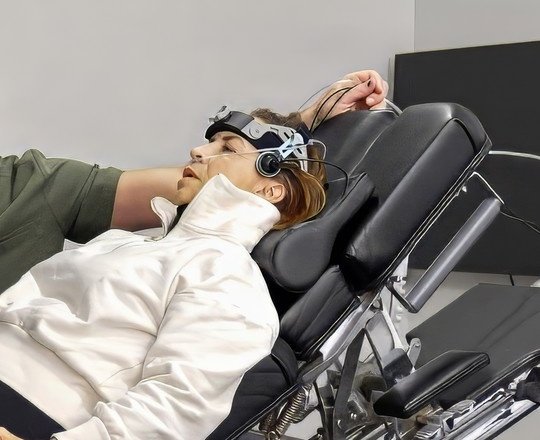
Breath-by-breath CO2 and brain blood flow, measured together (demonstration).
This is not graded exercise therapy
Graded exercise therapy increases activity on a fixed schedule, whatever your body is telling you that day. In 2021, the UK's NICE guidance for ME/CFS stopped recommending it after reports of harm. Many people with ME/CFS have good reason to be wary.
What we do works the other way around:
Your measurements set the limit, not a schedule. Each session goes only as far as your readings and symptoms allow that day.
We stop early. When warning signs appear, we ease off or end the session, even on day one of a program.
Progress follows tolerance. Sessions get longer or harder only once your body is handling the current level comfortably.
Your home plan
Every program includes a home plan: breathing practice and gentle exercises matched to where you are, built from what we see in the clinic. When it starts and how it fits around your visits depends on your case.
Programs usually start with frequent, short, gentle sessions close together, because the nervous system adapts best to repetition. If traveling to us every day would itself be too much, we'll plan a schedule that fits your energy.
What else we track
Alongside CO2 and brain blood flow, we watch your heart rate, blood pressure, oxygen, breathing rate and your symptoms at every step. Sessions use a recumbent bike or a tilt table, depending on what your body tolerates.
Many people with ME/CFS also feel worse when upright. If that's you, see POTS and dysautonomia care and what standard POTS testing can miss.
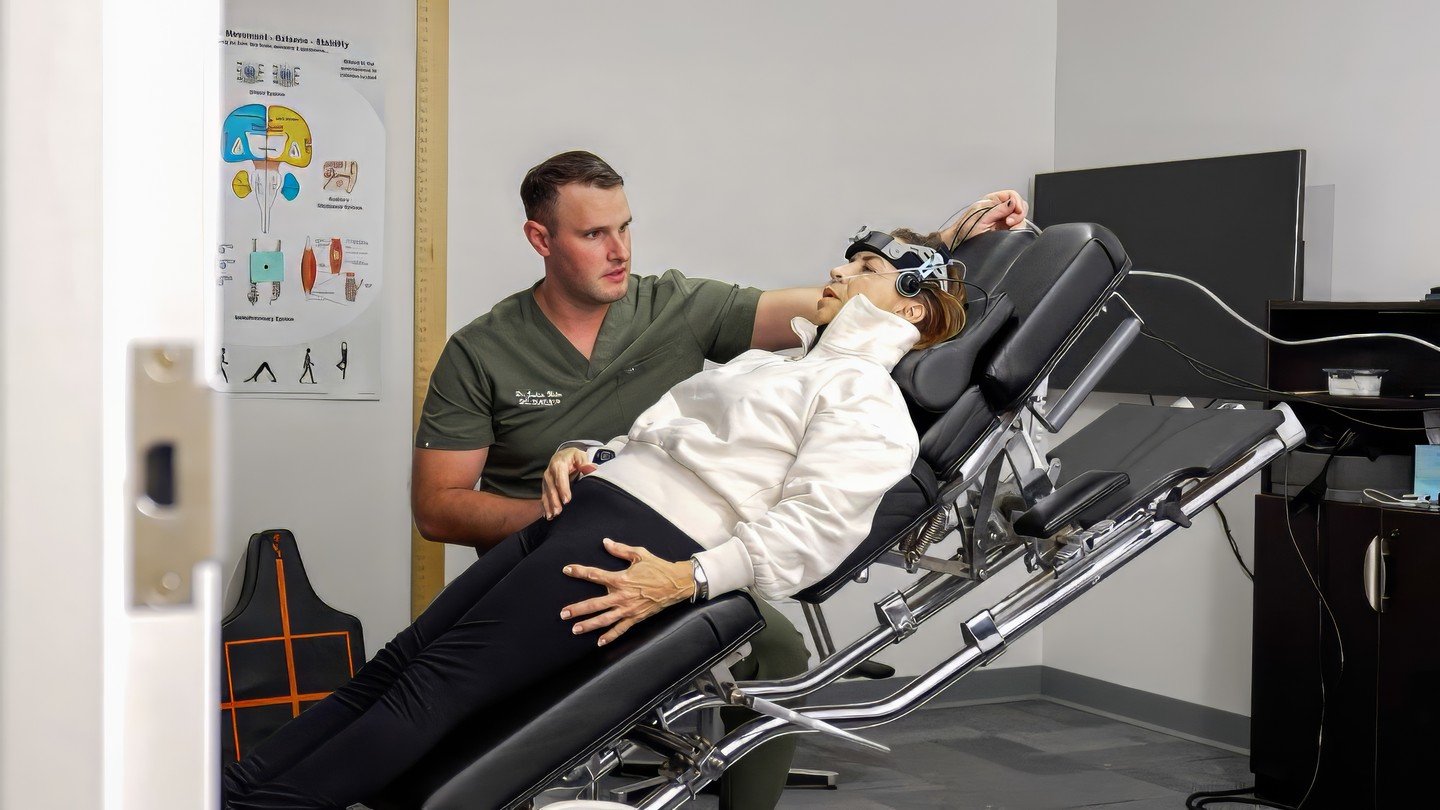
Tilt testing with brain blood flow and CO2 monitoring (demonstration).
Questions people ask
Will this make me crash? We design every session to avoid it. We watch your measurements and symptoms the whole time and stop at the first warning signs. No one can promise a crash will never happen, so we also help you plan for the day or two after.
Do I have to stop my medications? No. We work alongside your physicians and medications, and we account for medications when we read your results.
I'm mostly housebound. Can I still come? Talk to us first. If travel itself would set off a crash, we'll be honest about whether now is the right time and what a realistic schedule might look like.
Do you see long COVID too? Yes. Many of the same tools apply. See long COVID care.
Do you take insurance? We're a cash-pay clinic. We give you a superbill you can submit to your insurance for possible reimbursement.
Get started
Pro Performance Care, 464 Hillside Ave, Suite 211, Needham, MA 02494. Call (978) 429-8952 or request a consultation online.